What Are the Common Problems with Ground Screws?

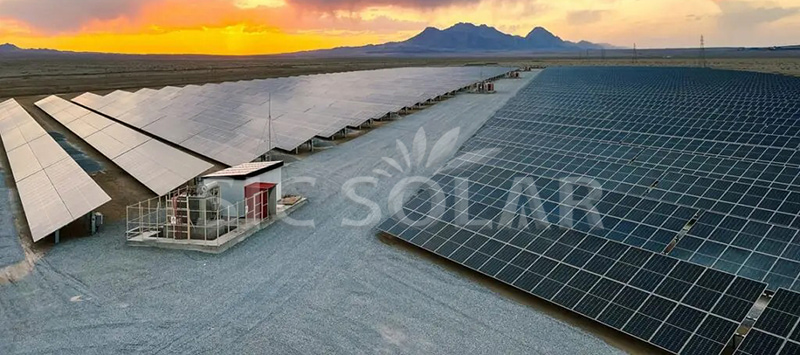
Ground screws have become a popular choice for foundations in solar ground mounting systems because they can be installed quickly and have less impact on the environment. They offer a practical alternative to traditional concrete foundations and are frequently used in solar projects of various sizes. Still, like any foundation method, ground screws can run into issues if the site conditions aren’t carefully checked beforehand.
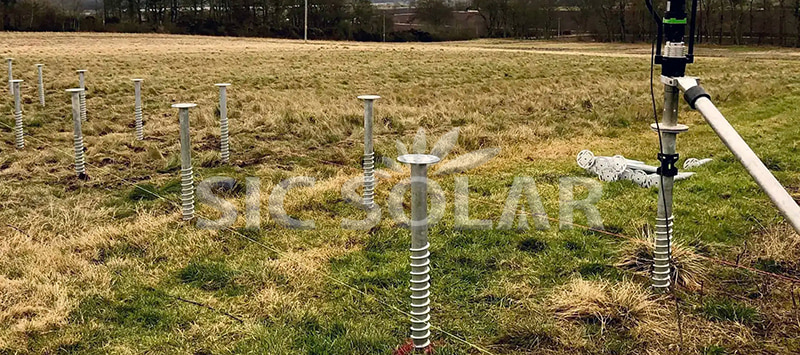
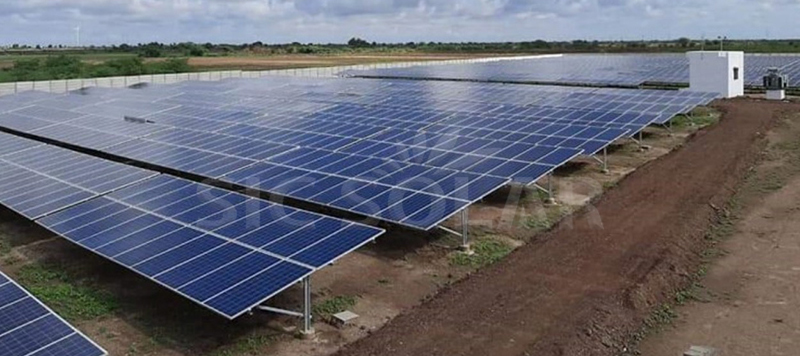
ground screws

A common challenge with ground screws is when the soil isn’t suitable. They work well in many types of soil, like clay, sand, and mixed soils, but very rocky ground or areas with shallow bedrock can make installation tough. If big rocks lie just below the surface, the screw might not go deep enough. In those cases, installers might need to move the foundation spot or look for other foundation options.

Another potential problem is if the ground screws aren’t chosen correctly for their load capacity. The size, length, and diameter of the screw need to fit the soil type and the weight and forces the solar system will face. Using the wrong screws can make the foundation weak against wind or side forces. That’s why proper engineering design and soil testing are important before starting installation.

Corrosion is something to watch out for in certain environments. Ground screws are generally made of steel and coated with hot-dip galvanization to resist rust. Still, in harsh environments like coastal areas or places with acidic soil, extra corrosion protection might be needed to keep them durable over time. Choosing quality materials and coatings can help the foundation last longer.

Installation quality also matters. The screws have to be put in at the right depth and straight to keep the structure steady. If screws are tilted or not deep enough, the solar system won’t be supported evenly. Using the correct tools and experienced installers can help avoid this kind of problem.

Soil movement is another factor in some locations. In regions with loose soil, freezing and thawing cycles, or high moisture, the ground can shift over time. This can cause stability issues if the screws aren’t designed for those specific conditions. Engineers often deal with this by using longer screws or changing how deep they are installed.

It’s also important that the ground screw connects well with the solar mounting structure. The joint must be designed to hold everything securely. Many manufacturers now create systems where the foundation and mounting parts fit together easily. For example, companies like SIC Solar offer solar mounting solutions that work smoothly with ground screw foundations, making installation simpler and the system more reliable.

Even with these possible challenges, most issues with ground screws can be avoided through good planning, soil tests, and selecting the right products. When done properly with quality components and good engineering, ground screw foundations provide strong and efficient support for a wide range of solar projects.
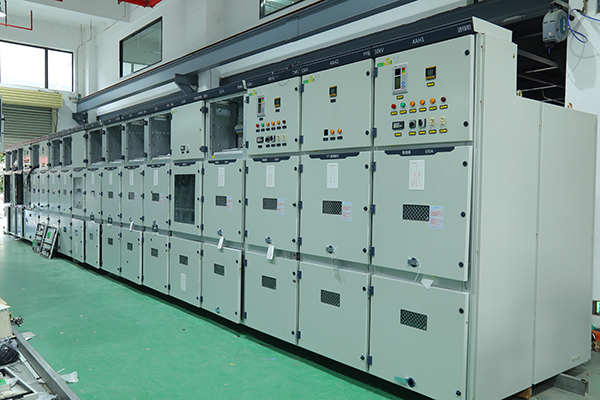
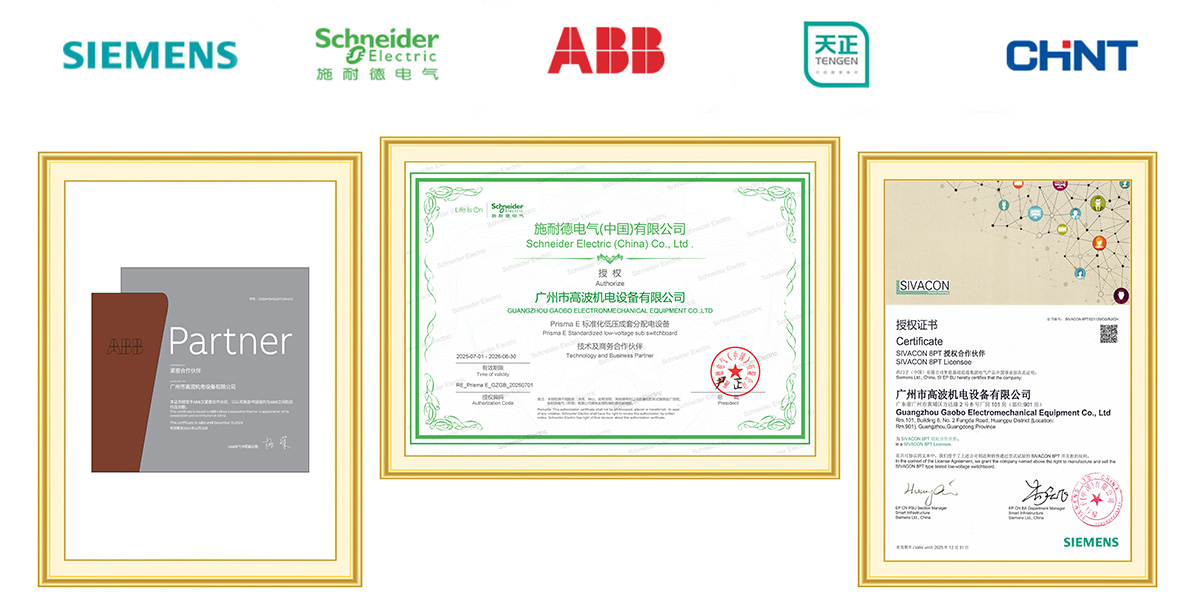
GB to IEC Switchgear Conversion How to Adapt for European Market Projects

When European market projects require low or high voltage switchgear, many Chinese manufacturers face the challenge of adapting GB (Chinese National Standard) products to IEC (International Electrotechnical Commission) standards. As a professional switchgear manufacturer, GAOBO SWITCHGEAR MANUFACTURER has rich experience in GB to IEC switchgear conversion, helping global clients smoothly enter the European market with compliant, high-quality products.

China Switchgear for EU Market

The core difference between GB and IEC standards lies in safety requirements, performance parameters and test methods. For example, GB7251 for low voltage switchgear and IEC 60439 have differences in short-circuit withstand current test conditions and insulation requirements. GAOBO SWITCHGEAR MANUFACTURER’s conversion solution focuses on three key points: first, adjusting internal component selection, replacing GB-compliant components with IEC-certified ones to ensure performance consistency; second, optimizing structural design to meet European safety norms such as protection against electric shock and arc flash; third, completing IEC standard testing and certification to provide clients with complete compliance documents.

For European industrial and commercial projects, switchgear compliance is not only a market access requirement but also a guarantee of operational safety. GAOBO SWITCHGEAR MANUFACTURER provides one-stop conversion services, from parameter adjustment to certification application, reducing the time and cost for clients to adapt to the European market. Whether it is low voltage switchgear for industrial parks or medium voltage switchgear for power grids, we can customize conversion solutions according to project-specific needs. To learn more about GB to IEC conversion services, visit https://www.gaoboele.com or contact our technical team directly.

Stainless Steel Electrical Boxes Why They Are the Best Choice for Harsh Environment Power Distribution

When it comes to power distribution equipment, the choice of cabinet material directly determines the service life, stability and safety of the equipment, especially in harsh application scenarios such as industrial workshops, commercial buildings and outdoor facilities. Among various cabinet materials, stainless steel stands out for its excellent corrosion resistance, durability and aesthetic appearance, making stainless steel electrical boxes the first choice for global clients who pursue long-term stable operation of power distribution systems. GAOBO SWITCHGEAR MANUFACTURER, as a professional switchgear manufacturer, focuses on the R&D and production of stainless steel electrical boxes, including the XL series power distribution boxes, which perfectly combine material advantages with practical performance to meet the diverse needs of different application scenarios.
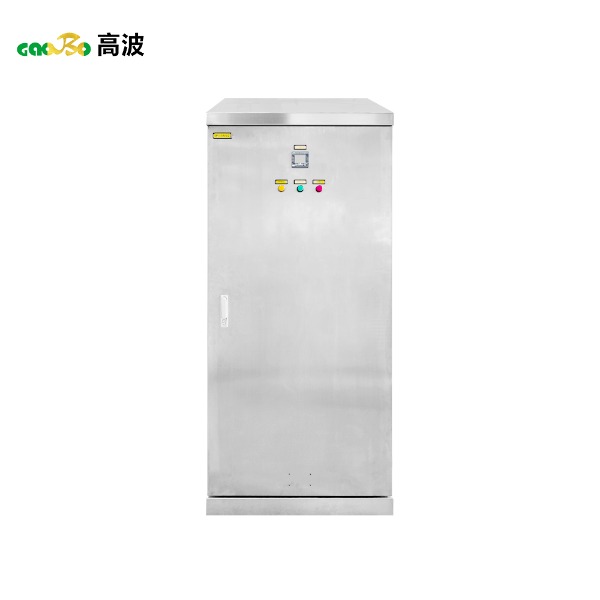
Stainless Steel Electrical Box
Many users will have questions: Why choose stainless steel electrical boxes instead of traditional iron or plastic cabinets? The answer lies in the unique advantages of stainless steel materials, which solve the pain points of traditional electrical boxes in harsh environments. Traditional iron cabinets are prone to rust and corrosion after long-term use in humid, dusty or corrosive environments, leading to internal component damage, poor contact and even power outages. Plastic cabinets, on the other hand, have poor impact resistance and high temperature resistance, which are not suitable for industrial or heavy-load scenarios. Stainless steel electrical boxes, especially those with full stainless steel frame and panel (Frame: Stainless steel; Panel Material: Stainless steel), fundamentally solve these problems and become the reliable choice for power distribution.
 
The core advantage of stainless steel electrical boxes is their excellent corrosion resistance. High-quality stainless steel material has strong resistance to acid, alkali, salt and other corrosive substances, which can adapt to humid industrial workshops, coastal areas with high salt content in the air, and food processing plants that require frequent cleaning and disinfection. GAOBO’s stainless steel electrical boxes, including the XL power distribution cabinet, adopt 304 or 316 stainless steel (customizable according to client needs), which can effectively prevent rust and corrosion even in harsh environments, ensuring a service life of more than 15 years, far longer than traditional iron cabinets (service life of 5-8 years). This not only reduces the frequency of equipment replacement but also saves long-term maintenance and replacement costs for users.
XL Stainless Steel Electrical Box
In addition to corrosion resistance, stainless steel electrical boxes also have excellent mechanical performance and protection level. The stainless steel frame and panel have strong impact resistance and pressure resistance, which can effectively protect internal components from external collision damage. Taking GAOBO’s XL stainless steel power distribution box as an example, it adopts a full stainless steel structure, matches the rated current of 630A, rated voltage of 380KV, and meets the GB7251.12 standard, with stable electrical performance. The shell protection level reaches IP4X, which can effectively prevent solid foreign objects larger than 1mm from entering the cabinet, adapting to indoor industrial and commercial environments, and ensuring long-term stable operation of internal components such as circuit breakers and contactors.
 
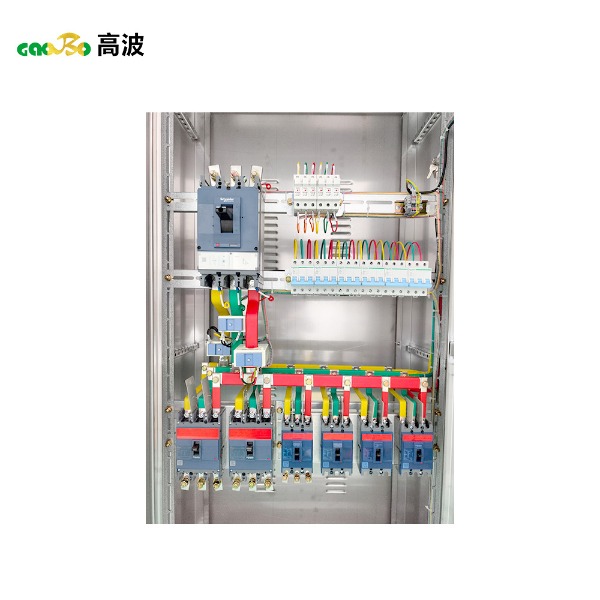
Stainless steel electrical boxes also have obvious advantages in terms of safety and maintainability. The surface of stainless steel is smooth and easy to clean, which is especially suitable for food processing, medical and other industries with high hygiene requirements—just wipe it with a clean cloth to remove dust and stains, avoiding the breeding of bacteria. The internal structure of GAOBO’s stainless steel electrical boxes is standardized and neat, with modular design, which is convenient for installation, wiring and later maintenance. When maintenance is needed, operators can quickly disassemble and assemble components without damaging the cabinet body, improving maintenance efficiency.
 
For different application scenarios, stainless steel electrical boxes can be customized to meet personalized needs, which is also one of the core services of GAOBO SWITCHGEAR MANUFACTURER. Whether it is the XL power distribution box for industrial and commercial power distribution, or the small-sized stainless steel electrical box for residential communities, we can adjust the cabinet size, internal configuration, protection level and other parameters according to the client’s specific needs. For example, for coastal areas with high salt content, we can customize 316 stainless steel electrical boxes with higher corrosion resistance; for industrial workshops with heavy load, we can match the internal components to adapt to the 630A rated current demand.
 
In the global power distribution market, the demand for stainless steel electrical boxes is increasing year by year, especially in regions with harsh environments and high requirements for equipment durability. GAOBO SWITCHGEAR MANUFACTURER has rich experience in the R&D and production of stainless steel electrical boxes, strictly implements international standards and GB7251.12 standard, and each product undergoes strict pre-shipment testing to ensure quality and reliability. Our professional technical team can provide one-stop solutions from product design, customization, production to after-sales service, helping clients solve power distribution problems in harsh environments.
 
Choosing a high-quality stainless steel electrical box is equivalent to choosing a long-term, stable and cost-effective power distribution solution. Whether you need an XL power distribution box for industrial and commercial scenarios, or a small stainless steel electrical box for residential use, GAOBO SWITCHGEAR MANUFACTURER can meet your needs. For more details on stainless steel electrical boxes, including customization services and product parameters, visit gaoboele.com or contact our overseas sales team for detailed consultation.

How to Install Brackets for Solar Panels?

Putting in the brackets for solar panels? Yeah, that's key to making sure your whole solar setup is solid. Think of them as the base – they keep the panels stuck to whatever you're mounting them on: roof, ground, you name it. Get them right, and your system will stay put and work well no matter the weather – wind, rain, snow, all that.

pv panel mounting brackets

What's the Deal with Solar Panel Brackets?

So, brackets are just part of the system that holds the panels where they need to be. They're what links the panels to the rails or the structure underneath. Usually, they're built from stuff that won't rust, like aluminum or stainless steel because they have to deal with being outside all the time.

The brackets you use depend on where you're sticking the panels. If it's a slanted roof, you might need hooks or L-shaped brackets. For flat roofs, you'll see adjustable, angled brackets. Ground setups? They usually use bigger supports with rails and clamps.

Plan it Out

Before you even touch a bracket, take some time to plan things out. Check out the roof – how's it built, which way does it face, and how much room do you have? Space the brackets based on the panel size and how the rails work. Get the spacing right, so the weight spreads out evenly.

Usually, you'll mark where each bracket goes. Aim for spots where there's something solid to screw into, like rafters. Measure carefully at this stage to avoid problems down the road.

Putting Brackets on the Roof

Okay, time to get those brackets on the roof. If it's slanted, you're likely screwing hooks or L-feet right into the rafters with bolts. And don't forget to use waterproof stuff to keep the water out.

Got a metal roof? There are special clamps that grab onto the seams without needing to drill. This keeps the roof intact while still holding the panels securely.

Flat roofs are a bit different. You might use weights or anchored supports to keep the panels at the right angle without poking holes in the roof.

Rails and Getting Everything Straight

Once the brackets are in place, you slap on the mounting rails. These are what the panels will sit on, so they need to be super straight. If they're off even a little, it can mess up the whole setup.

Use measuring tools to make sure the rails are level and spaced evenly. Get this right, and it'll make fitting the panels way easier.

Locking Down the Solar Panels

With the brackets and rails done, it's time for the panels. They get clamped down onto the rails using mid and end clamps. These hold them tight but still allow for a little wiggle room as the temperature changes. The clamps grab the panel frames and keep everything stable, even when it's windy.

Good mounting systems make this easier with standard parts and simple ways to fasten things. Manufacturers such as SIC Solar, which produce and supply photovoltaic mounting systems, design bracket solutions that support efficient installation across different roof and ground structures.

Check It and Make Sure It's Solid

After everything's installed, give it a good look. Make sure all the bolts are tight, everything's lined up, and the waterproofing is solid. Double-check that the whole thing can handle the weather it's supposed to.

A good bracket system is what makes a solar setup strong. It's what keeps the panels safe and working for years.

What Is the Ballast Foundation or Mount in Solar Systems?

For solar setups today, how you put the panels up matters a lot for keeping the whole thing working well for a long time. One way to do it, especially on flat roofs, is using heavy weights to hold the panels down. This way, you don't have to drill into the roof, which is cool for businesses and factories.

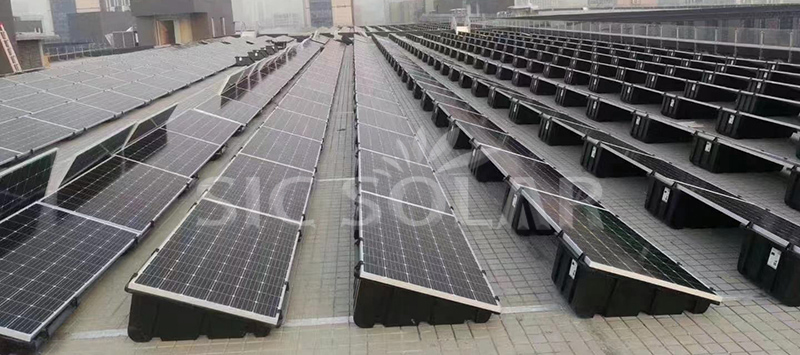
ballast flat roof mounting structure

Understanding How Ballast Mounting Concept Work

Instead of drilling, these setups use heavy stuff, like blocks, to keep the panels from moving. The weight keeps everything steady, even when it's windy.

This is great if you don't want to mess up your roof's waterproofing. No holes mean fewer leaks and less damage, while still holding your solar panels up strong.

Where You Usually See Ballast Mounting Concept

You'll mostly find these on flat roofs, like on offices, warehouses, and factories. These roofs have lots of space, so you can line up the panels just right to get as much sun as possible.

Sometimes, you can even use them on the ground if the soil is tricky. But usually, they're on rooftops.

What's in a Weighty Panel Setup?

*   Frames that hold the panels at the angle you want.

*   Trays that hold the heavy blocks.

*   Rails and clamps that keep the panels stuck to the frames.

*   Pads that go under the setup to keep the roof from getting scratched.

All this stuff works together to spread the weight out evenly so the roof doesn't get too stressed.

Good Things About Ballast Mounting Concept

The best part is that you don't have to drill into the roof, so it stays waterproof. Putting them up is also quicker since you're not messing with bolts and anchors. This saves time and makes the job easier.

You can also move things around easily to catch the most sun, which is helpful on big roofs.

Thinking About Wind and Building Stuff

Even though it’s about weight, you still need to do the math right. Wind can really push things around, especially on tall buildings. Experts figure out how much weight you need based on how tall the building is, where it is, how windy it gets, and how the panels are tilted.

Good setups spread the weight out so the roof doesn't get too much pressure. Manufacturers like SIC Solar, which produce and supply photovoltaic mounting systems, develop ballasted mounting solutions that balance stability, durability, and ease of installation for flat roof solar projects.

Keeping Things Up and Running

You should check these setups now and then to make sure everything is still tight and the blocks haven't moved. They're usually easy to get to for cleaning or fixing things. If they're made well, they can handle the weather for years.

Weighty foundations are a good pick for solar power when you care about keeping the roof safe, putting things up fast, and being able to move stuff around. They're great for big, flat roofs on businesses.

What Is the Best Direction and Angle for Mounting a Solar Panel?

How you point your solar panel really matters for how much sunlight it grabs, which then changes how much power it makes. Modern panels can make power in rough conditions, but getting the direction and angle right helps them work their best for a long time.

mounting bracket for solar panel

The best direction for your panels hinges on whether you are in the northern or southern part of the globe. If you live up north, face those panels south—that's where they'll soak up the most sun all day. Live down south? Point them north. This way, they get a good dose of sun from morning to night, making the most juice.

If you have to point panels east or west, that's cool too, especially if you can't change your roof. East-facing panels crank out power in the morning, and west-facing ones do it in the afternoon. Sometimes folks pick these directions to match when they use the most power at home or work, despite the fact the total power generated could be less than facing south.

The angle of your panels should match where you live on the map. A simple trick is to tilt them at about the same number as your latitude. So, if you're at 30 degrees latitude, aim for a 25–35 degree tilt.

But hey, you can tweak this a bit based on what you need. A steeper angle is great for winter when the sun is lower, while a flatter one is better for summer. Big projects often mess around with the tilt to sync up with when energy is needed most or depending on the weather in that area.

What your roof is like really calls the shots on direction and angle. Panels usually sit flush on slanted roofs, and often, the roof's angle is just right. Flat roofs? Those need special tilted frames to get the angle right while staying put in the wind and keeping the roof safe.

If you put panels on the ground, you can point and angle them just how you like for max power. That's why you see ground mounts at solar farms. Some spots even use adjustable tilts to keep up with the seasons.

Even if your direction and angle are spot on, shade can mess things up too. Check for trees, buildings, and stuff on your roof that could block the sun. And if your panels are tilted up, make sure they aren't close enough to block each other when the sun's low.

The stuff you use to hold the panels is key for keeping them pointed right, even when it's windy or snowy. Good materials and smart design are what you need to keep everything steady. Manufacturers such as SIC Solar, which produce and supply photovoltaic mounting systems, develop fixed-tilt and adjustable solutions for rooftops, flat roofs, ground mounts, and carports to support accurate panel positioning across different project types.

Getting the right direction and angle is a balancing act that boils down to where you are, what your building is like, when you need power, and how the system’s put together. Nail these, and your solar panels will hum along for years.

What Is the Purpose of a Ground Screw?

For solar panel setups, a solid base is super important for keeping things steady for years. A cool way to do this is with ground screws. A lot of solar panel projects use them because they're easy and work well instead of using concrete.

Basically, a ground screw is like a big metal screw that you twist into the ground with a machine. It holds the frame that the solar panels sit on, so everything stays put, even when it's windy or snowy.

ground screw solutions

The main thing about ground screws is that you don't need concrete. With concrete, you have to dig a hole, pour the concrete, and wait for it to dry. Ground screws skip all that, so you can get the base done fast. This saves time and money, especially for big solar projects.

Another great thing is that ground screws can be used in different types of dirt, like sand or clay. You can pick different sizes depending on the situation. This makes them good for all sorts of solar projects, from small home systems to huge solar farms.

Ground screws are also good for the environment. They don't mess up the ground as much as concrete does. Plus, you can take them out when you don't need them anymore and put the land back the way it was. This fits in well with the idea of solar energy being good for the earth.

They're made of strong steel and coated to not rust, so they'll hold up the solar panels for a long time. Having a base you can trust is key to keeping the whole solar panel system safe and working right.

Ground screws also fit well with the solar panel frames we use today. Companies like SIC Solar make frames that work perfectly with ground screws. This makes putting everything together easier and helps the system work better.

So, these days, lots of solar projects use ground screws because they're strong, quick to install, and good for the environment. As more people use solar power, ground screws will keep being an important part of building solar panel systems that last.

Which Angle Is Best for Solar Panel Installation?

The angle you put solar panels at really matters for how well they make power. They'll still work if the angle isn't spot on, but getting it right gets you the most sunlight all year round. Good angles mean more electricity and better performance over time.

solar panel angle mount

Why the Angle is Important

The tilt angle is just the angle of the panel compared to the ground. It changes how directly the sun hits the panel. Direct sunlight means more power. If the angle is too steep or too flat, you won't get as much sunlight at certain times of the year.

Latitude is a Good Start

A good rule of thumb is to match the panel's angle to your location's latitude. So, if you're at 30 degrees latitude, a 30-degree tilt is usually a good balance for the whole year. This usually works well for homes and businesses.

Tweaking for Seasons

You can also change the angle a bit for better performance in certain seasons. A steeper angle helps in the winter when the sun is low. A shallower angle can help in the summer when the sun is high. The exact change depends on your area's weather, your energy needs, and what you want to get out of the system.

Roofs vs. Ground

How you install the panels also changes what angles you can use. On roofs, panels usually go parallel to the roof. If the roof is already at a good angle, great! If it's flat, you need to add special mounts to create the angle.

Ground-mounted systems are easier because you aren't stuck with the roof's shape. You can put the panels at the best angle to get the most sun. That's why you see these setups in solar farms and big commercial projects.

Good Mounts are Key

To keep the angle right, you need a strong mounting system. It needs to hold the panels in place against wind, snow, and the weather. Good mounts also make installation easier and ensure the panels stay at the designed angle for years.

Companies like SIC Solar make mounting systems that put panels at the best angle for different roofs, ground setups, and even carports.

Spacing and Shade

The angle also affects how far apart you need to space the rows of panels. Steeper angles need more space to avoid shading each other. Good system design makes sure each panel gets plenty of sun, especially in the morning and afternoon.

Picking the best angle for your solar panels means thinking about your location, the type of installation, the structure, and the weather. If you get the angle right and use a good mounting system, your panels will be more efficient and provide reliable power for a long time.

Why Have Balcony Solar Panels Not Taken Off in the US?

Balcony solar panels—those small solar setups for apartments and condos—are pretty popular in parts of Europe, but you hardly ever see them in the States. It's not just about the tech; there are rules, building designs, money stuff, and how the solar market works that all play a part.

balcony solar bracket

Rules and Hooking Up to the Grid

One big issue here is the rules. In Europe, you can often just plug a balcony solar panel into an outlet, but in the US, things are way stricter. Utility companies usually want certified inverters, permits, inspections, and agreements to connect to the grid, even for tiny systems. That makes it all more complicated and expensive, so balcony solar isn't as appealing.

Housing and City Layout

Balcony solar is best in crowded cities with similar apartment designs and balconies facing the same way. But a lot of US cities are more spread out, with more houses than apartments. And for apartment renters, balconies are often shady, weirdly shaped, or not strong enough for extra weight, which makes solar harder to install.

Who Owns What and Permission

Another problem is who owns the building. In apartments, balconies are usually part of the building. So, renters often need to get permission from landlords or building managers to install anything outside. Getting that approval can be tough, especially if they worry about how it looks, safety, or who's responsible if something goes wrong.

Money and Perks

In the US, big rooftop solar systems get discounts. Tax breaks, state programs, and net-metering are usually for bigger setups. Balcony panels don't make much power, so they're not as good of an investment compared to rooftop systems or community solar programs where renters can buy into shared solar power.

Safety, Wind, and Who's Responsible

US building codes are serious about wind, fire, and strength. Balcony panels need to handle strong winds, especially near the coast or in stormy areas. Building owners and insurance companies often see balcony solar as risky, which raises concerns about who's responsible if there are any problems, even if the systems are safe.

What the Solar Industry Focuses On

The US solar industry has mostly focused on rooftops, ground setups, and big utility projects because they make more energy and money. Companies have invested in standard ways to install those systems. For example, SIC Solar makes mounting systems mostly for rooftops, ground mounts, carports, and big projects because that's where the money is.

Growing Interest and What Could Happen

Even with these problems, people are slowly getting more interested in balcony solar as cities get denser and people care more about energy. Better, lighter mounting, safer systems could make balcony solar more appealing to regulators and building owners. And changes in rules and programs could also help it grow.

Balcony solar panels haven't caught on in the US because the market has been better for bigger solar solutions. Rules, building ownership, few perks, and what the industry focuses on have all shaped things, even as the tech keeps getting better.

How Close to the Roof Edge Can Solar Panels Be Mounted?

One really common question when you're thinking about putting solar panels on your roof is how close you can put them to the edge. It's not just about making it look good or saving space, it's about staying safe, making sure your panels can handle the wind, being able to get up there to fix stuff, and following the rules.

solar panels roof installation

Understanding how far back you need to set your panels.

Most building rules say you need to leave some space between the panels and the edge of the roof. This helps keep the wind from ripping them off, keeps them safe when the weather gets bad, and lets firefighters and maintenance people walk around up there without falling off. The amount of space you need depends on where you live and what kind of roof you have, but usually, it's about 12–24 inches.

Wind can be a big problem, and keeping your roof safe is super important.

The edges and corners of your roof take the most wind when there's a storm. If your panels are too close to those spots, the wind can lift them up and mess up the panels and your roof. Spacing them out helps spread the weight better. Builders will often use stronger fasteners or change how they lay out the rails near the edges because the wind is stronger there.

What Kind of Roof Do You Have?

How close you can get to the edge also depends on if your roof is flat or slanted. If it's slanted, the panels usually line up with the roof, and spacing them out helps keep the tiles or shingles from getting stressed or letting water in. If it's flat, they usually use frames to tilt the panels, so you need more space to keep the wind from getting under them and to keep them from tipping over.

Safety in case of fire and getting to everything easily.

A lot of towns have rules about leaving clear paths near the edges and peaks of roofs. That way, firefighters can walk around safely if there's a fire and have space to cut holes for ventilation. Giving yourself enough space near the edge means you won't break those rules and have to redo everything later.

Water flow and fixing your roof.

Keeping the panels a little ways from the edge also helps water drain the right way. You need to make sure water can still get into your gutters and drains. Plus, having some space lets you check on things, clean stuff, and fix things without breaking the roof.

How the frame matters.

The kind of frame you use for the panels is really important for how close you can put them to the edge. Good frames take into account how windy it gets, how much weight the roof can hold, and making sure everything lines up right. Companies like SIC Solar make these frames to help installers follow the rules while still using as much of the roof as possible.

What the local rules say and getting the okay from an engineer.

At the end of the day, you always have to follow the local building codes and have an engineer do the calculations for your specific situation. What's okay in one place might not be okay in another because of different wind speeds, earthquakes, or fire rules. Check with the local authorities and work with frame suppliers who know what they're doing to make sure putting panels near the roof edge is safe and legal.

Planning out the spacing from the edge of your roof carefully protects the solar panels, the building, and the people working on it while helping your system work well for years to come.