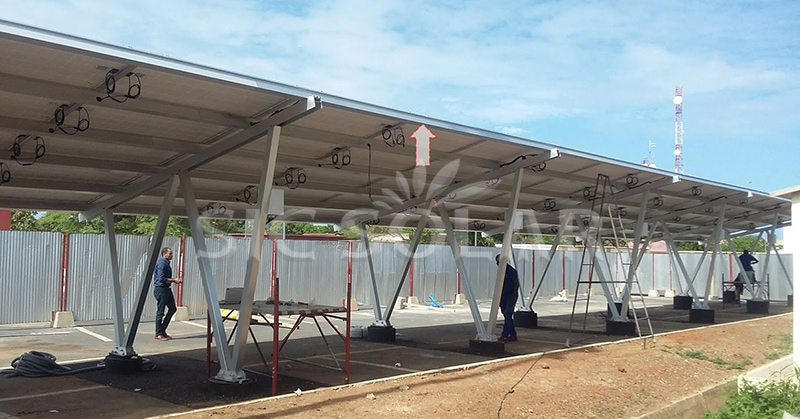
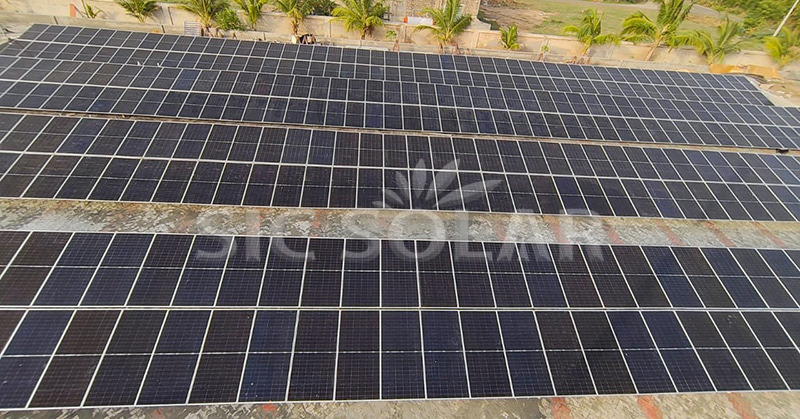
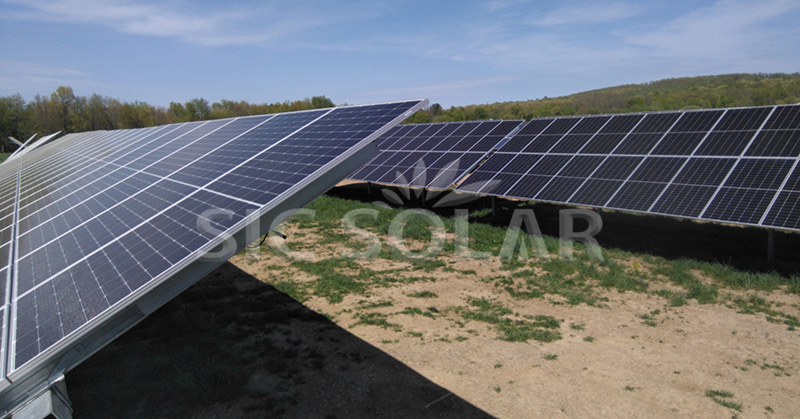
Project Highlight | 998.68 kW Steel Mounting Solution — Concrete Pole Mounting in Thailand

We’re proud to share a successful JinMega installation — a 998.68 kW solar project in Thailand equipped with our Steel Mounting Solution — Concrete Pole Mounting. This system is designed for sites where ground space is limited or challenging — from rural landscapes to uneven terrain — offering a robust, space-efficient solution for maximizing solar output.


Why it works for Thailand’s diverse terrain

·Pre-stressed high-strength foundation ideal for large-scale solar parks in diverse terrains.

·Simple construction with pre-assembly services for a faster build.

·Customized to meet unique site conditions and maximize performance.


At JinMega, we create solar mounting solutions that adapt to your environment — not the other way around. Explore how our Ground Solar Mounting System can power your next project with stability, speed, and savings. Learn more at www.jinmegasolar.com


Project Update | Rooftop Solar System in Zhangzhou, Fujian

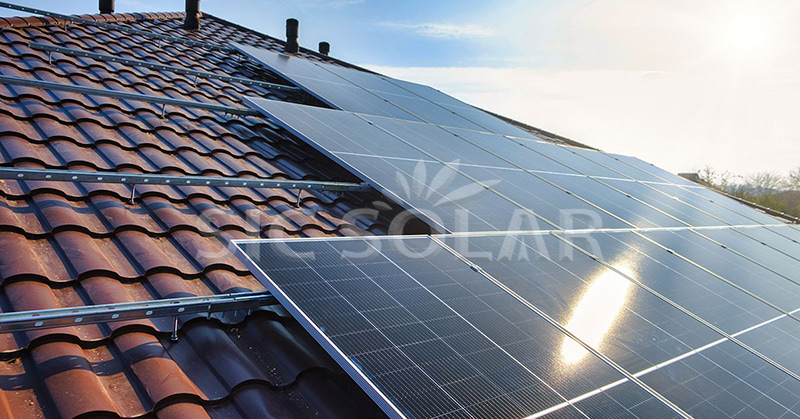
We’re excited to share another successful project delivered by JinMega — a 399.32kWp distributed rooftop solar system for Tianyi Art, located in Zhangzhou, Fujian


This C&I solar distributed project adopts the installation methods of flat roof and metal roof. The roof layout design service and mounting systems are provided by JinMega Solar, designed to ensure structural stability and long-term durability. With a projected annual generation of approximately 480,000 kWh, the project will significantly offset the client’s electricity consumption, reducing operational costs and carbon emissions.


Learn more about our rooftop solar mounting systems at www.jinmegasolar.com


How to Maintain an EV Charge?

In Norway, with a new energy vehicle penetration rate exceeding 30%, some car owners' home chargers have run stably for 8 years. In contrast, in humid, hot Southeast Asia, users report frequent malfunctions within 2 years. What causes this stark difference in EV charger lifespans? It boils down to daily maintenance and device design. As a crucial link between the grid and vehicles, a charger's lifespan impacts costs and charging safety. We'll share global tips to extend charger life and spotlight devices with "longevity genes".

I. Global Consensus Among Car Owners: 6 Golden Rules to Extend EV Charger Lifespan
Car owners worldwide have summarized practical maintenance experiences based on different climatic environments. These 6 methods have been proven through practice to effectively extend the lifespan of EV chargers:
💧 Interface Cleaning: The First Line of Defense for Charging Safety
Charging interfaces are prone to dust accumulation and moisture. Use a dust cover for protection after each charge, wipe the contacts with alcohol pads monthly, and focus on cleaning the grooves of European Type 2 interfaces and the pins of American CCS interfaces.
🧵 Cable Care: Avoid "Violent Bending"
Frequent bending can cause the copper core of the charger cable to break. After use, let it hang naturally or coil it for storage. Home chargers can be equipped with hooks, and public chargers can be organized with dedicated brackets.
🌡️ Extreme Weather Protection
Targeted protection is needed for different climates: in northern regions, choose devices with low-temperature preheating functions; in tropical areas, use products with IP55 or higher waterproof ratings, and install sunshades or rain shelters if necessary.
📦 Regular Appearance Inspection
Monthly inspect cables and casings. For any signs of cracks or damage, cease use and repair promptly to avoid short circuits.
🧑‍💻 Software Updates
Regularly update the charger firmware and enable automatic update functions to enhance the device’s adaptability to power grid fluctuations.
🔋Load Management
In areas with unstable power grids, using devices with overvoltage protection or dynamic load adjustment functions can extend the lifespan by 40%.II. Devices with Inherent "Longevity Genes": Designs That Make Maintenance Easier
New-generation devices integrate the concept of "less maintenance, longer lifespan" into their design. Our products draw inspiration from global extreme environment cases and feature the following hassle-free designs:
♨️Military-Grade Protection: EC01 Commercial Charger
Adopts an IP65 fully enclosed weather-resistant ABS shell and has passed extreme tests from -40℃ to 70℃. After 3 years of exposure to sun and rain at an open-air charging station in Thailand, the shell remains un cracked and the interface shows no oxidation, requiring only daily wiping for maintenance.
🧑‍💻 Intelligent Self-Inspection System: EP01/EP02 Home Chargers
Equipped with 16 real-time monitoring items, automatically detecting temperature, insulation, voltage, etc. When dust affects charging or voltage is abnormal, the APP sends cleaning reminders and automatically cuts off power in case of overload, making it more proactive than traditional devices.
🧵Tool-Free Maintenance
The charging gun cable is replaceable, and the interface module can be disassembled and cleaned by hand. Combined with a dust cover, users can easily complete basic maintenance, reducing reliance on professional repairs.
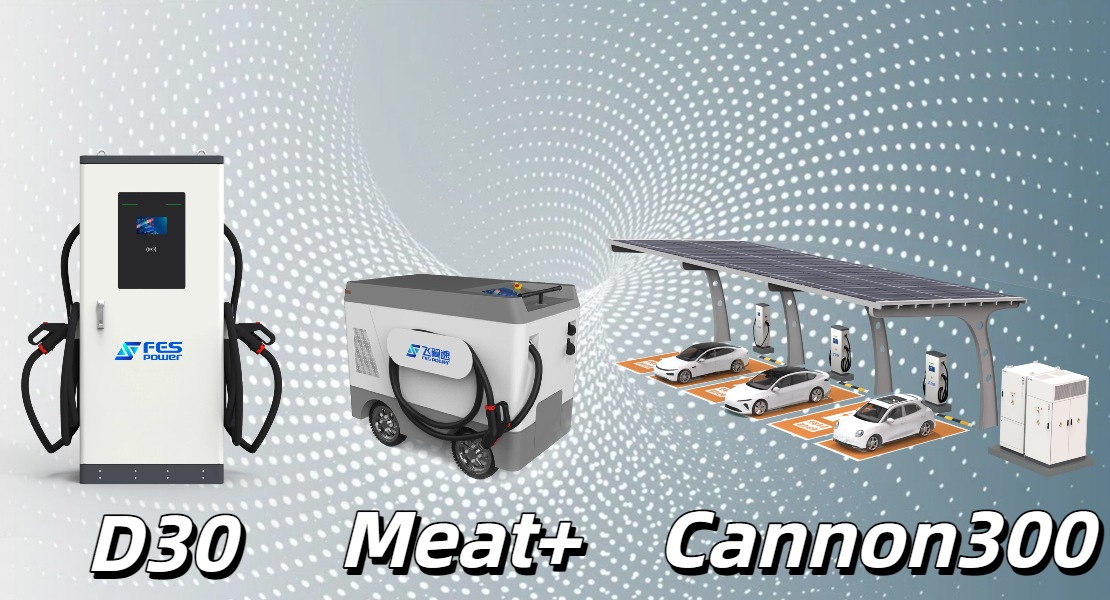
⚡Adaptive Power Grid: D30 Fast Charger
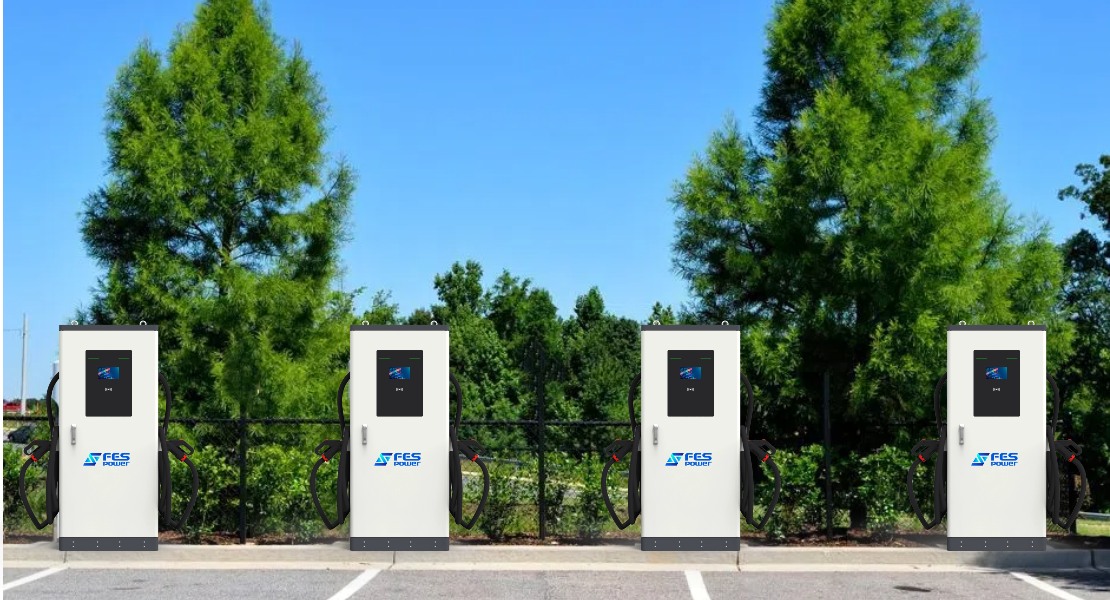
Fully compatible with 100-240V wide-range voltage and intelligently adjusts loads. In tests in New Delhi, India, its anti-voltage shock performance exceeded the industry average by 50%, making it suitable for global power grids.III. Longevity Is Not Just About "Lasting Long", But Also About "Running Stably"
Data from a Dutch charger laboratory shows that the performance of ordinary devices drops by 30% after 5,000 charging cycles, while devices equipped with high-quality components and intelligent protection can still maintain over 90% efficiency after 10,000 cycles. Choosing the right device not only reduces replacement costs but also ensures a long-term stable charging experience.
If charger glitches bother you or you're eyeing a reliable unit, click www.fescharging.com for tailored solutions. Remember, picking a low-maintenance charger is key to long-term ease.

Want to Save Big on EV Charging?

As electric vehicles gain global popularity, charging costs have become a key concern for both individual owners and commercial operators. By 2024, China alone had over 30 million new energy vehicles, making electricity expenses unavoidable. Time-of-Use (TOU) Pricing – a dynamic system tied to grid demand – splits the day into peak, flat, and off-peak periods. Prices rise during peak hours to ease grid strain and drop significantly during off-peak times, with peak rates reaching up to three times off-peak levels in some cities. This difference creates major savings opportunities.

🔋TOU Pricing not only optimizes power allocation but also cuts costs: industry data shows individual owners can reduce annual charging expenses by 20%-35%, while commercial operators save 15%-25% through large-scale off-peak charging. As a leader in new energy charging, our smart products fully support TOU adaptation, helping users balance green energy use with cost savings worldwide.
💵The logic is simple: use low off-peak grid prices (e.g., 23:00-07:00) to auto-adjust charging times, avoiding high peak rates. This saves money for individual owners and delivers long-term cost reductions for commercial scenarios like charging networks and corporate fleets.
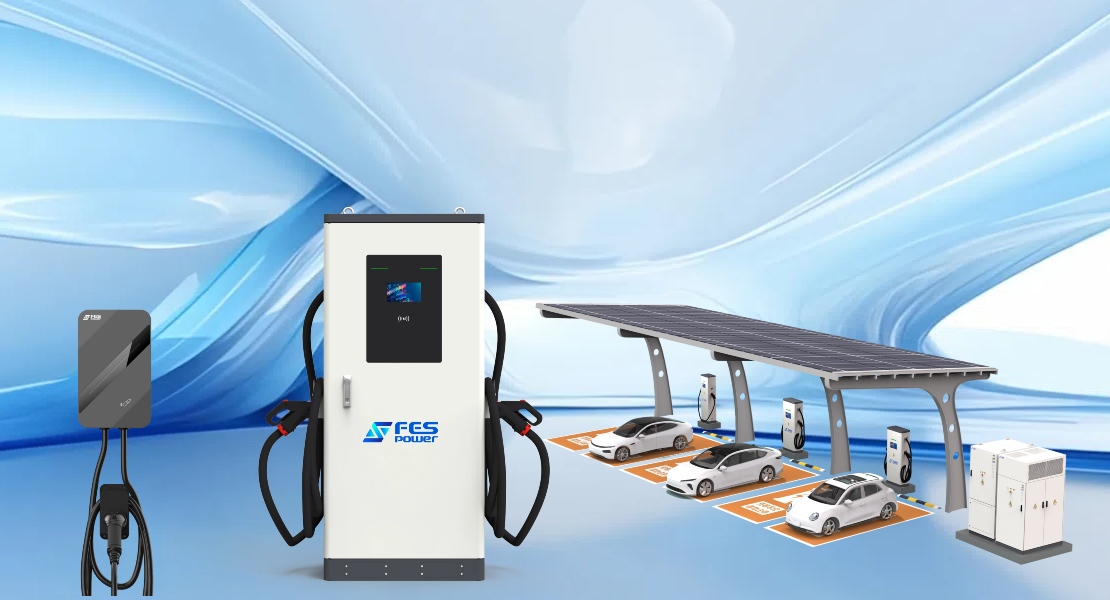
💥Key advantage: our top EV charging products all support TOU settings for diverse needs:

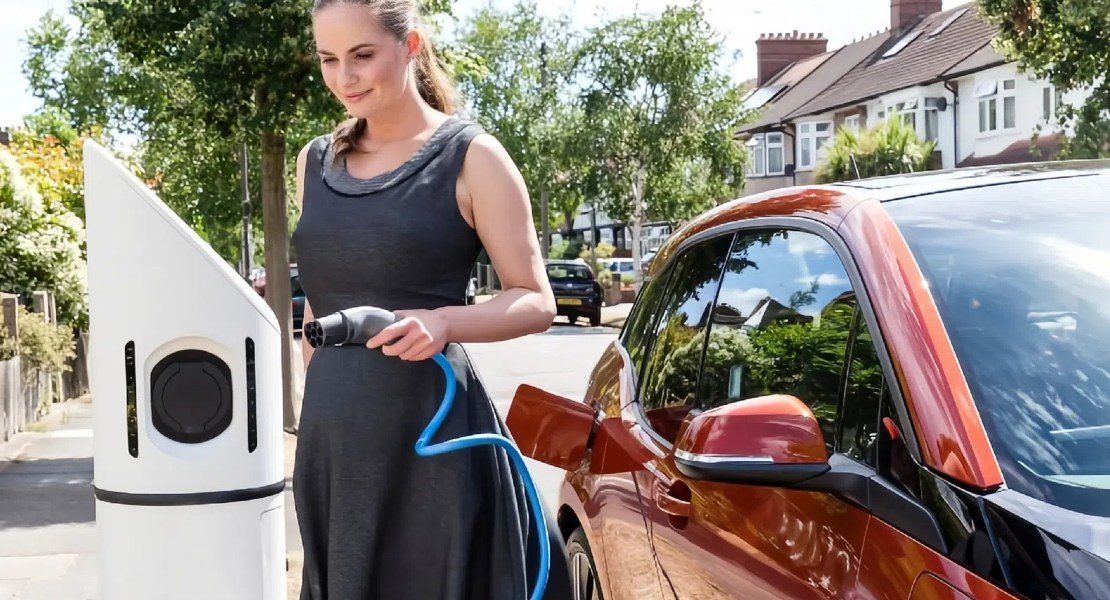
🔌EP01/EP02: Home portable essentials. Use the app to preset off-peak times with one click – set before bed for a full, cost-effective charge by morning. Built-in AI learns your driving habits (e.g., tracking weekly travel patterns) to recommend optimal charging windows, making energy savings effortless.

🪨EC01: Commercial wall-mounted charger for multi-scenario use. Batch-set TOU strategies to cut costs and boost efficiency. Manage hundreds of units centrally via backend systems, ideal for malls and offices needing scalable, cost-controlled charging solutions.

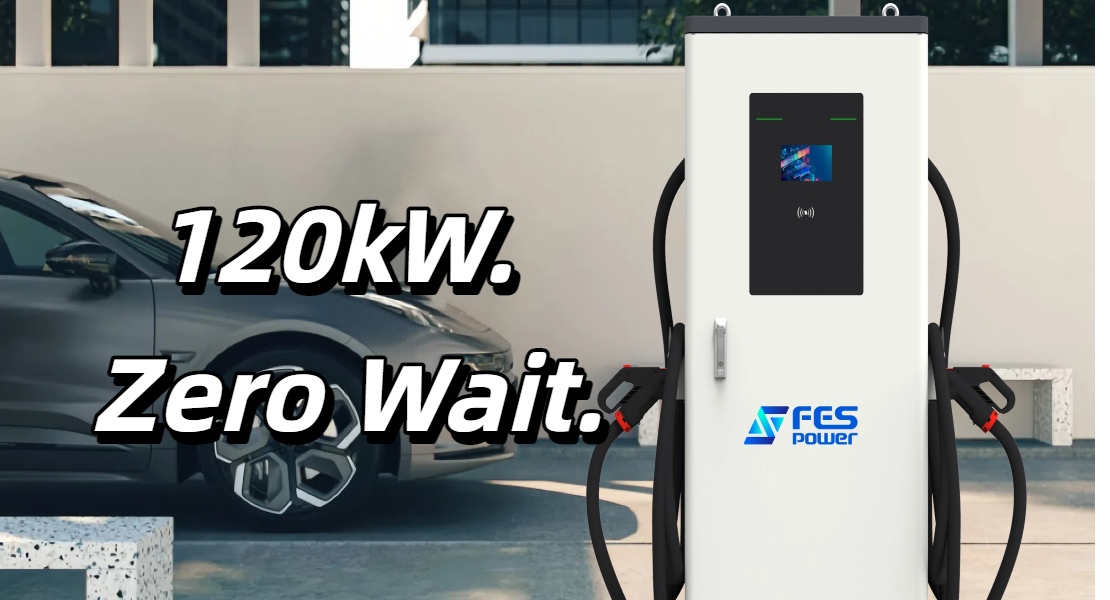
🌴D30: High-power DC fast charger with smart time-sharing. It balances fast charging with price optimization, perfect for fleet refueling. Dynamic power adjustment ramps up during off-peak times for quick charging and reduces during peaks to avoid high fees – saving ~¥3,000/month for 10-vehicle fleets in tests.

☀️CANNON-300: Industrial-grade solution with precise TOU response and load adjustment. Seamlessly connects to enterprise energy management systems, monitoring real-time price fluctuations and power loads. It allocates more power during off-peak periods and prioritizes critical equipment during peaks, balancing cost and efficiency.

Whether for home or business, TOU-enabled chargers make electricity use smarter and costs more manageable. To learn more, click here.
 

What's in Home EV Charger Market?

With the global push for green travel, electric vehicles are growing in popularity. Home EV chargers, a daily essential, have become a focus of market trends. Analyzing market features and usage across countries helps match consumers with the right products. Below, we'll introduce two of our home chargers: EP01/02 and EC01.
🌍 Global Home EV Charger Market Landscape & Adoption Trends
📈Market Size and Growth Trend
With the continuous rise in the ownership of electric vehicles, the market size of home electric vehicle chargers is also expanding rapidly. According to relevant data forecasts, the global home electric vehicle charger market will grow at a relatively high compound annual growth rate in the next few years.
🏙️Usage in Various Countries
⭐️European Region: The penetration rate of home charging facilities in the UK reaches 93%, and the usage rate of smart chargers exceeds 50%; in Germany, the penetration rate is 71%. In terms of policies, many countries promote the installation of home chargers through subsidies and tax incentives, and the charging technology standards are unified (mostly using European standard plugs), which is conducive to product promotion.
⭐️North American Region: The penetration rate of home charging facilities in the United States is 82%. The IRA Act has increased the tax credit for charging facilities from \(1,000 to \)4,000, stimulating the demand for high-end smart charging piles. Consumers prefer intelligent and convenient products.
⭐️Asian Region: China's new energy vehicle sales in 2024 were 11 million units, accounting for 64.3% of the global total, indicating great potential in the home charging pile market. Countries such as Japan and South Korea are also increasing investment in electric vehicle infrastructure, and the home charger market continues to expand.

🔬Product Technology Development Trend

Home EV chargers are evolving towards higher efficiency, intelligence, and safety. Currently, 7kW AC slow chargers dominate the market at 85%. DC fast chargers (20kW+) see 12% annual cost drops, aiming for 35% household adoption by 2030. Smart features like APP - controlled remote operation, scheduled charging, and status monitoring are standard. Safety has multiple layers, including overload, over - temperature, and leakage protection.
💥EP01/02
⭐️Multi-Mode Voltage, Flexible Adaptation
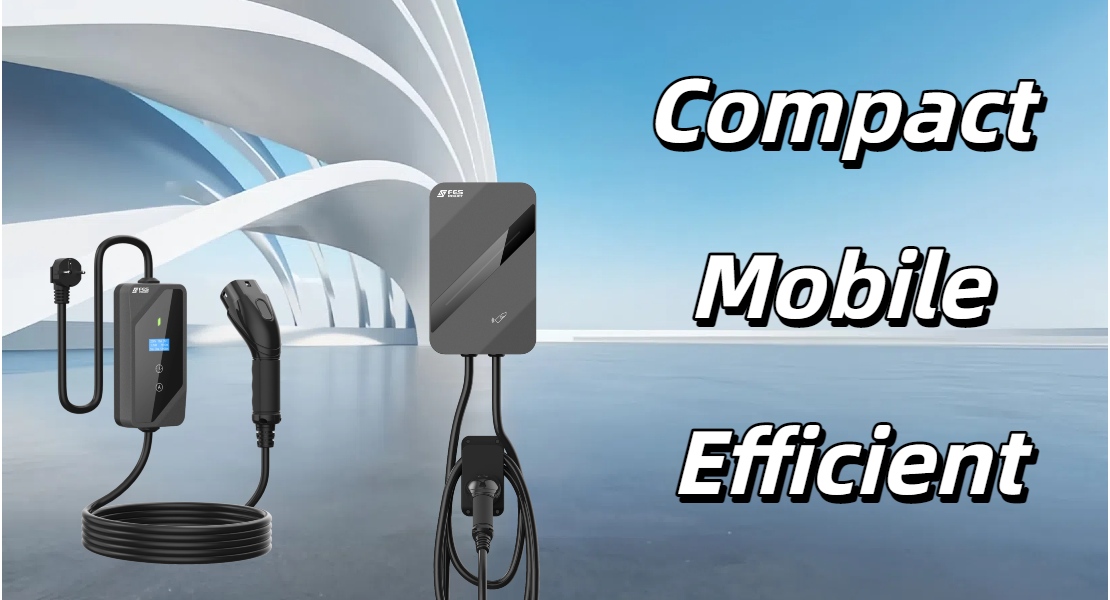
EP01 and EP02 support 3.5kW/16A and 7kW/32A dual voltage modes. Opt for 3.5kW in old residential areas or low-load scenarios, and 7kW for fast charging large-battery EVs.
⭐️Intuitive Interaction, Effortless Operation
EP01 uses multi-functional indicator lights to show charging status. EP02 features a display screen for real-time data like power, electricity, and estimated time—ideal for beginners.
⭐️European Standard, Plug-and-Play
Both models come with European standard plugs, compatible with international sockets. No adapters or circuit mods needed, perfect for home and cross-regional use.
💥 EC01
⭐️Strong Protection, Adaptable to Complex Environments
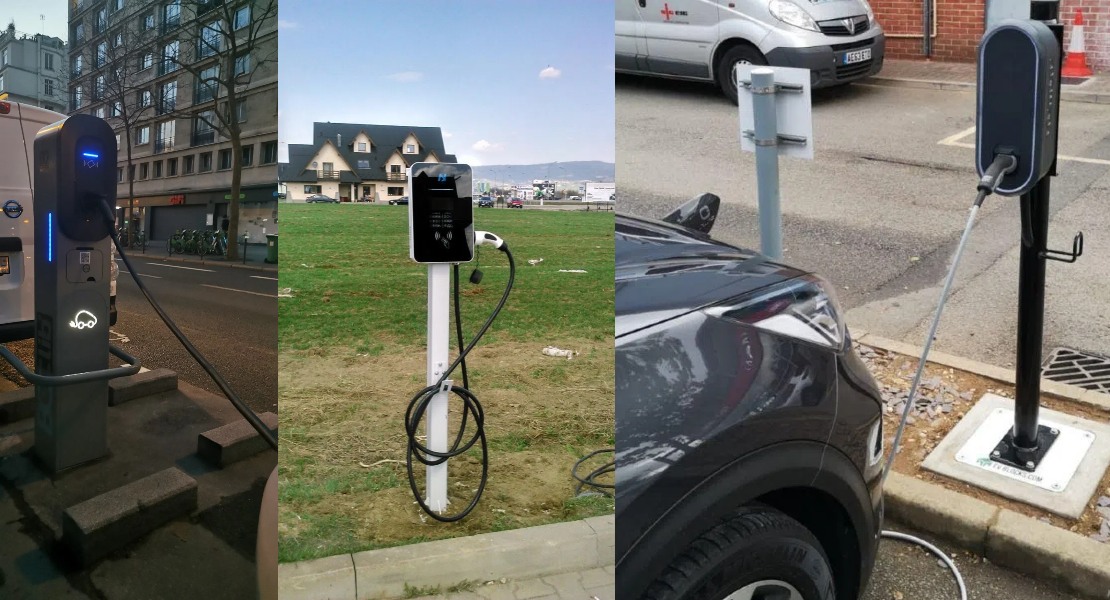
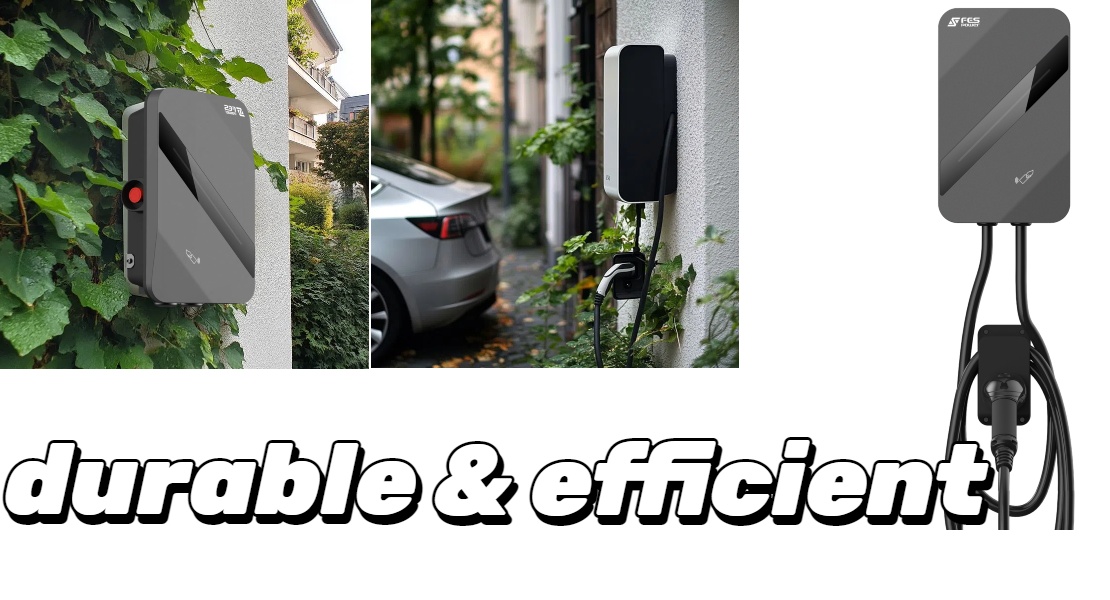
The EC01 wall-mounted charger, suitable for garage or outdoor installation, features high IP rating for dustproof, waterproof, and corrosion resistance. It ensures stable operation in extreme weather for safe charging.
⭐️Intelligent Connection, Convenient Charging
With Wi-Fi/BT support and dedicated app, schedule charging via phone to optimize off-peak rates. Real-time status monitoring and history tracking enable smart management.
⭐️Flexible Installation, Diverse Power Options
Available in wall-mounted or floor-standing models, it offers 7kW/32A & 11kW/16A for home, and 22kW/32A for commercial use, catering to various charging needs.
In the current booming global home electric vehicle charger market, our EP01/02 and EC01 products, with their unique design, rich functions, and excellent performance, can meet the diverse needs of consumers in different countries and scenarios. Click www.fescharging.com to learn more.

Advantages of Hydrogen Bikes

    Compared with traditional bicycles and electric bicycles, hydrogen bicycles have many significant advantages, which are mainly reflected in environmental protection, endurance and convenience of use, as follows:

1. Environmental protection and zero emission

    Hydrogen bicycles are powered by hydrogen fuel cells, which only emit water vapor when working, and are completely free of pollutants such as carbon dioxide and nitrogen oxides. They are far more air-friendly and environmentally friendly than fuel vehicles, and are also better than some electric vehicles that rely on thermal power generation for charging.

2. Long battery life

    A tank of hydrogen (usually a few dozen grams) can support a hydrogen-powered bicycle to travel 50-100 kilometers. The range is far longer than that of ordinary electric bicycles (usually 30-70 kilometers), and is close to or exceeds that of some fuel-assisted bicycles, which can meet the needs of medium and long-distance travel.

3. Fast hydrogenation speed

    It only takes 3 to 5 minutes to refill hydrogen, which is comparable to the refueling speed of a fuel vehicle and much faster than the several hours of charging time for an electric bicycle. This greatly reduces waiting time and improves usage efficiency.

4. Lightweight and flexible structure

    The weight of the hydrogen fuel cell system and hydrogen storage tank is relatively controllable, and the weight of the entire vehicle is usually lighter than that of an electric vehicle equipped with a large-capacity battery, making it more labor-saving to ride and easier to carry.

5. Stable low temperature performance

    Hydrogen fuel cells can still work normally in low temperature environments (such as -20℃), while the endurance of traditional lithium battery electric vehicles will be greatly reduced in low temperatures. Therefore, hydrogen bicycles are more practical in cold areas.

6. Low reliance on energy supplements

    Hydrogen can be produced in a variety of ways (such as electrolysis of water, industrial by-product hydrogen, etc.). If the hydrogen refueling station network is gradually improved in the future, its energy replenishment flexibility will be better than electric vehicles that rely on power grid charging.

    However, the popularization of hydrogen-powered bicycles currently still faces problems such as insufficient hydrogen refueling station facilities and high costs of hydrogen storage tanks. But in the long run, its advantages in environmental protection and endurance make it one of the important options for future green travel.

Comparison of Hydrogen Fuel Cell Power Systems and Hydrogen Internal Combustion Engines

    The basic principle of hydrogen fuel cells is to convert the chemical energy found in fuel into electrical energy through electrochemical reactions.The working principle of a hydrogen fuel cell involves hydrogen being broken down into electrons and hydrogen ions (protons) by a catalyst (platinum) in the fuel cell's anode. Protons pass through the Proton Exchange Membrane to the cathode, where they react with oxygen to form water and heat. The corresponding electrons flow from the anode to the cathode through an external circuit, generating electrical energy.The structure of hydrogen fuel cell stacks primarily consists of bipolar plates, membrane electrodes (proton exchange membrane coated with catalyst layer), gas diffusion layers, insulating plates, etc. Then, based on the stack, additional systems such as the air system, hydrogen system, electronic and electrical system, and water-thermal management system are integrated to form a hydrogen fuel cell power system, which is essentially a hydrogen fuel cell engine.

    Hydrogen internal combustion engines obtain power by burning hydrogen, and this type of engine, like conventional fuel engines, operates on four strokes: intake, compression, power, and exhaust, with hydrogen replacing conventional fuels.Taking the Cummins engine as an example, the structure of the hydrogen internal combustion engine is essentially similar to that of a natural gas engine, which includes components such as the cylinder block, crankshaft, cylinder head, ignition system, and mounting parts; parts of hydrogen internal combustion engines and diesel engines are also partly interchangeable, such as cylinder blocks, crankshafts, supports, flywheel housings, and other mounting components. The high degree of similarity and interchangeability of these components can utilize the economic advantages of Cummins hydrogen internal combustion engines, enhance equipment reliability, and provide crucial support in the industry's transition to low-carbon practices.

    The similarities between both require hydrogen and oxygen to participate in the reaction; All fuel storage units and hydrogen storage tanks are required; can power the vehicle. The difference is that the two generate energy in different ways, which also leads to a significant difference in efficiency, so fuel cell vehicles will have more mileage under the same hydrogen consumption; The way engines are built is also completely different; Fuel cells are more environmentally friendly than hydrogen combustion engines. In addition, there is no difference in the speed of energy release, and both internal combustion engines and fuel cells can achieve short-term high-power output.
    Compared with the two routes, the advantages of hydrogen fuel cells are high conversion efficiency, low pollution emissions, and high degree of commercial application, especially in terms of conversion efficiency, the thermal efficiency of hydrogen fuel engines is difficult to exceed 45%, while the conversion efficiency of hydrogen fuel cells can reach more than 60%.
    The advantages of hydrogen fuel engines are low cost (about 10% of fuel cells), low requirements for the purity of hydrogen, and the ability to be retrofitted with existing fuel engines. In addition, hydrogen internal combustion engines are more suitable for use in commercial vehicles such as medium- and heavy-duty trucks due to their higher output efficiency under high load conditions.

Hydrogen Energy The Rising Star of Future Energy​

Amid the dual pressures of global energy transition and environmental protection, hydrogen energy has emerged as a clean, efficient, and renewable energy source, capturing the attention of nations and industries worldwide.


Hydrogen energy is highly regarded due to its unique advantages. First,it boasts an exceptionally high energy density. With a combustion heat value of approximately 33.3 kWh per kilogram, hydrogen far surpasses traditional gasoline and diesel. This means hat, at the same weight, hydrogen delivers significantly more energy, enhancing overall efficiency. In the transportation sector, hydrogen fuel cell vehicles (HFCVs) benefit from long driving ranges and rapid refueling, making them a viable alternative to conventional internal combustion engine vehicles and reducing reliance on fossil fuels.


​​Second, hydrogen is a clean, zero-emission energy source. When combusted, it produces only water, emitting no CO₂ or harmful pollutants, thereby contributing to carbon reduction and improved air quality. In the context of global climate change mitigation, hydrogen energy plays a crucial role in achieving carbon peak and neutrality targets.

Moreover, hydrogen is renewable. It can be produced via water electrolysis or other renewable energy sources (such as solar and wind power), enabling a sustainable energy cycle.​

Hydrogen energy has broad applications, spanning transportation, power generation, and industrial uses.


Transportation:

Hydrogen fuel cell vehicles (HFCVs) represent a major application, offering ​​Zero emissions, extended range, and fast refueling compared to traditional vehicles. Several countries have already established hydrogen production facilities and pipeline networks to support this sector.

Power Generation:

Hydrogen serves as an energy storage medium and a grid-balancing resource. Excess renewable electricity can be converted into hydrogen via electrolysis and stored; when demand rises, hydrogen can be reconverted into electricity, enhancing grid stability and renewable energy utilization.

Industrial Use:

Hydrogen is widely used in chemical synthesis, metal refining, welding, and electronics manufacturing. It also functions as a coolant and reducing agent in industrial processes. While hydrogen applications in industry are already mature, ongoing technological advancements and cost reductions are expected to expand its role further.


As hydrogen production technologies evolve, this versatile energy carrier is poised to become a cornerstone of the sustainable energy future.

​​The Rise of Cathode-Sealed Air-Cooled Fuel Cell Stacks​

The "Blowout" of Cathode-Closed Air-Cooled Stacks is Coming With the gradual expansion of low-power application scenarios such as tourist buses, forklifts, unmanned aerial vehicles (UAVs), and two-wheeled vehicles, air-cooled stacks have slowly entered the vision of mainstream fuel cell applications. Cathode-closed air-cooled stacks, with their advantages of good environmental adaptability, durability, and simple maintenance, have attracted much attention in the air-cooled fuel cell technology route and become a hot spot of pursuit. 


Technical Characteristics and Application Status of Cathode-Closed Air-Cooled Stacks

Air-cooled stacks can be divided into two categories according to their structural characteristics: cathode-open and cathode-closed. Among them, the open cathode air-cooled stack: the cathode is directly exposed to the environment, and ambient air is introduced into the stack through devices such as fans. The air serves both as a source of reaction gas and as a heat dissipation medium.


The cathode-closed air-cooled stack is characterized by the fact that the cathode is not in direct contact with the environment, and air supply and heat dissipation are carried out separately. A dedicated air supply system, such as a blower or air compressor, is usually required to provide the oxygen needed for the reaction, and an independent heat dissipation system is used to remove the heat generated during the operation of the stack.


Compared with open cathode air-cooled stacks, cathode-closed air-cooled stacks are less affected by environmental factors (such as temperature, humidity, and air quality) due to the independent air supply and heat dissipation. Moreover, they can to a certain extent avoid the adverse impact of polluted air on the service life of fuel cells, resulting in better durability and longer service life.


"The performance of cathode-closed air-cooled stacks largely depends on the design of gas channels and manifolds to uniformly distribute the supplied air," said a technical director of a domestic stack enterprise. Cathode-closed air-cooled stacks require complex air supply subsystems, which may include compressors, humidifiers, air filters, etc. This also makes them relatively less affected by surrounding environmental conditions, especially temperature and humidity. 


Of course, the advantages of cathode-closed air-cooled stacks are based on their relatively complex structure, which also leads to their relatively higher cost compared with open cathode air-cooled stacks. As Gaogong Hydrogen Power learned in the survey, as of June 2025, under the premise of bulk procurement, the price of open cathode air-cooled fuel cells is generally more than 4,000 RMB/kW, and the price of cathode-closed air-cooled systems is at least 30% higher than the former.


At this stage, cathode-closed air-cooled stacks are suitable for high-power density applications (greater than 1A/cm²). The application scenarios require sufficient space for fuel cell auxiliary systems (cooling, air supply, and pretreatment subsystems), with a typical power range between 2 kW and 100 kW.


Overall, at this stage, as the fuel cell industry gradually expands from high-power water-cooled stack systems used in commercial vehicles and passenger cars to small and medium-power air-cooled stack systems such as UAVs, forklifts, and two-wheeled vehicles, the market expansion of closed air-cooled fuel cells has just begun. Whether it can seize more market share with its own advantages remains to be seen. From the perspective of future technological development trends, future research on closed air-cooled stacks needs to focus on minimizing support systems to reduce the complexity, parasitic load, and floor space of the overall system, as well as conducting system management and control to achieve optimal performance.


Project Update | Metal Roof Solar System in Zhangzhou, Fujian

We’re excited to share another successful project delivery by JinMega — a 473.06kW distributed PV project for Shanfeng in Zhangzhou. Fujian. From initial site entry on May 8 to grid connection on May 29, the project set a new internal benchmark for delivery speed — reflecting JinMega’s strong project execution capabilities.


This system adopts JinMega’s metal roof mounting solution, designed for high performance and long-term reliability on metal rooftops. Our mounting structures offer:


·Fast Installation:  Pre-assembled components reduce on-site labor time

·Strong Compatibility:  Fits various metal roof profiles

·Corrosion Resistance:  Engineered for coastal and industrial environments


With a balance of efficiency, strength, and simplicity, JinMega's mounting systems empower rooftop solar deployment across industrial and commercial sectors.

Looking to power your rooftops with speed and stability? Explore our Metal Roof Mounting Series — engineered for performance, built for results, please click here.